
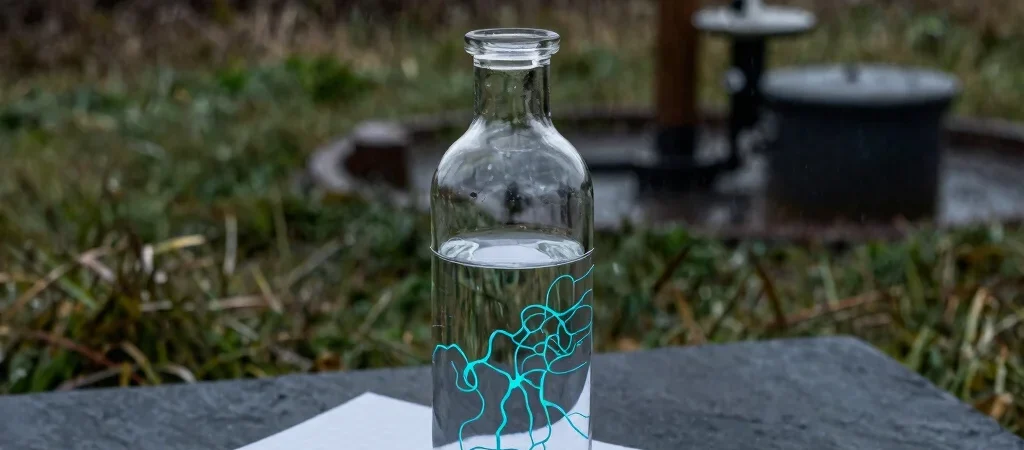
After a heavy rain, a groundwater sample may tell a different story than one collected during a dry spell. That difference is not automatically a problem, but it changes what the result can support. Environmental research is stronger when the sample is treated as the end of a carefully described process, not a self-explanatory number.
The conditions travel with the sample
A collection record can note recent rainfall, the sampling point, the condition of the well, and how water was drawn. These details help readers understand whether a result represents a particular moment or can be compared with other samples. Without them, two apparently similar measurements may have been made under very different conditions.
Comparison needs a method
Repeated sampling is most useful when the method stays consistent or when any change is clearly recorded. Collection depth, flushing approach, containers, and time between collection and analysis can all matter, depending on the question and the analyte. There is no single protocol for every site, so the method should follow the research purpose and applicable guidance.
Make the question visible
Before collecting water, state what the comparison is meant to show: a seasonal pattern, a difference between locations, or a check on a suspected source. Then record the conditions that could help explain what changes—and what does not. That simple discipline makes environmental findings easier to assess and gives the next researcher a sound reason to follow the question further.